
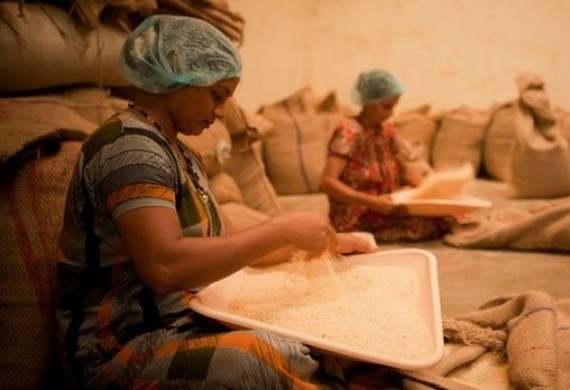

In India, young women and girls devote a disproportionate amount of time to doing unpaid home chores. According to a poll by the Universities of East Anglia (UEA), Birmingham, and Brunel, young women in India ended up bearing the lion's share of various domestic chores and caregiving responsibilities even though the burden of unpaid household labour increased for both genders.
Despite slight geographical variations, approximately 80% of women in all states engaged in unpaid household work, regardless of the involvement of men or the involvement of women in paid work or other related activities.
The research team looked at data from a longitudinal cohort study that included 12,000 children and young women (aged 8 to 22) from India, Ethiopia, Peru, and Vietnam. The study looked at childhood poverty as well as home work and caregiving responsibilities. The research team examined employment engagement in any sort of paid activity in any industry (including agricultural) while keeping track of the lives of the children.
According to the research, taking on the weight of this childcare responsibility as a child reduces women's employment engagement, widening already-existing inequality inequalities.
A recent UNICEF research claims that girls spend 40% more time on housework than boys do. For females, unequal home labour distribution has serious consequences and is associated with larger inequities.
Dr. Vasilakos, associate professor of Sustainable Business Economics and Public Policy at UEA's Norwich Business School, stated: "Gendered trajectories may be implied by the expanding gaps in household labour participation over time.
"The amount and type of domestic work affects girls' attendance at school, cuts into their study time, and may subsequently limit their options for future employment. Longer hours of unpaid domestic work that cut into girls' study time may consequently limit their future life by limiting career options, according to Birmingham Business School Professor Fiona Carmichael. This demonstrates that women bear a bigger care burden due to their greater share of domestic labour beginning in their early years.
According to the study, the pandemic has exacerbated gender disparities in the workforce to an unprecedented degree. Professor Shireen Kanji, Professor of Human Resource Management at Brunel University London, said: “It seems that in comparison to men, women’s employment is likely to be driven to a greater extent by lack of choice or by need, and is characterised by fewer opportunities for well-paid, higher-quality employment.”
Sociologist Snidhi Mishra, who is based in Delhi, said that the government should consider offering childcare support to households in the form of childcare allowances, cash transfers, or vouchers in order to meet the needs of the economically weaker women in managing increased unpaid work and childcare load.
Current Issue

Most Viewed
- 1 Talented Indian Female Actors Who Also Moonlight as Successful Producers
- 2 7 Indian Female Podcasters You Must Know About
- 3 7 Powerful Independent Indian Women Journalists Who are Voices of Change
- 4 Ruchikaa Kapoor Sheikh: The Creative Mind Behind Netflix India's Popular Shows
- 5 7 Most Influential Women Educators India has had over the Years
- 6 11 Breakthrough Female Faces Ruling the Indian OTT Platforms
- 7 8 Timeless Female Indian Classical Dancers & their Legacy
- 8 Women's Health Startup HerMD Closing Doors Amid Industry Challenges
- 9 Real Meets Reel: A List of 11 Indian Movies based on Real Women
- 10 Rasha Hassan: A Visionary Leader On A Mission To Transform Dubai's Real Estate Landscape
- 11 5 Indian Women-led IPOs You Must Know About
- 12 11 of the Most Iconic 21st Century Women to become "The First Indian Woman"
- 13 India's 7 Funniest Women Stand-Up Comics You Must Follow
- 14 Aparna Purohit : Leading India's Most Popular OTT Platforms
- 15 How Leaders Can Balance Risk & Innovation in Today's Banking Landscape
- 16 Dr. K. Shilpi Reddy: Sculpting Healthier Futures For The Next Generation With Reforms In Obstetrics Care
- 17 Sylvia Dcosta: A Visionary Business Leader Pushing The Limits And Setting High Professional Standards
- 18 Top 5 All-Rounder Women Cricketers of India
- 19 How Tata AIA is Empowering Women with Insurance That Understands Their Needs


